
A Quick Guide to Understanding the 7-Year Lookback Rule in Consumer Reporting
The seven-year reporting rule stems from the Fair Credit Reporting Act (“FCRA”), which limits the reporting and visibility of civil suits, civil...
Making screening easy for candidates
.svg)
With Verified Credentials' mobile-first candidate experience, you meet candidates where it's most convenient. Learn how easy we make it.
Featured resource

Our new Ban the Box Guide makes it easier than ever to decipher the patchwork of fair chance laws across the country. Check the map to quickly identify what laws apply to you.

Verified Credentials is proud to be accredited by PBSA and an original founding member. Our accreditation confirms that our policies, processes, and team member training meet rigorous industry compliance standards.
2 min read

Most employers conduct background checks on new hires and periodically rescreen employees as part of their standard employment practices. These checks sometimes reveal information about your candidates and employees that can impact their employment status. In other words, certain information in a background report can lead to an employer taking adverse action, meaning the denial of employment or any other decision for employment purposes that adversely affects a candidate or employee.
The Fair Credit Reporting Act (FCRA) provides guidance employers must follow when taking adverse action based, in whole or in part, on information in a background report. This blog summarizes the general guidance imposed by the FCRA that all employers should understand, but it is not intended to be all-inclusive, and state and local laws can change the equation. It is also important to be aware of all your obligations as an employer under the FCRA before taking any action. Always consult your attorney if you have questions about the adverse action process.
Suppose information uncovered during a background check requires adverse action. Are you confident that you know where to start? Let’s break down the adverse action process—what it is, and what steps you may want to take to help stay compliant.
The adverse action process has three general steps.
Before taking any action, you must notify the candidate or employee of your intent to take adverse action so the individual has a chance to review the background report and dispute any inaccuracies found within before a final decision is made. Your pre-adverse action notice should include:
Giving the candidate or employee time to review and dispute the content of a background report is critical. The FCRA does not specify what constitutes a reasonable amount of time, but the Federal Trade Commission has stated that waiting five business days is generally reasonable. Some state and local laws may extend this waiting period, so be sure to check with your attorney for specific guidance.
If you decide to move forward after the waiting period, send a final adverse action notice, which should include:
All these steps can be a challenge to tackle alone or even with a robust team. It takes time and energy to put the correct materials together and send them at the proper intervals, and whenever a team member carries these out, there is a risk of human error. Doing your due diligence to follow through and make sure you are following all steps and procedures possible is important – but it certainly doesn't hurt to have the right resources on your side, too.
Like all regulated employment practices, it is best to review your policies and procedures with your organization’s legal counsel. Ensuring that your adverse action documents are compliant is a great place to start, but employers also need to have a strategy in place if adverse action is required.
** This is a broad overview of the FCRA’s adverse action process. The FCRA and state and local laws may place additional obligations on users of background reports. Consult your legal counsel to ensure that your adverse action process and other employment and hiring practices comply with all applicable laws. **

The seven-year reporting rule stems from the Fair Credit Reporting Act (“FCRA”), which limits the reporting and visibility of civil suits, civil...
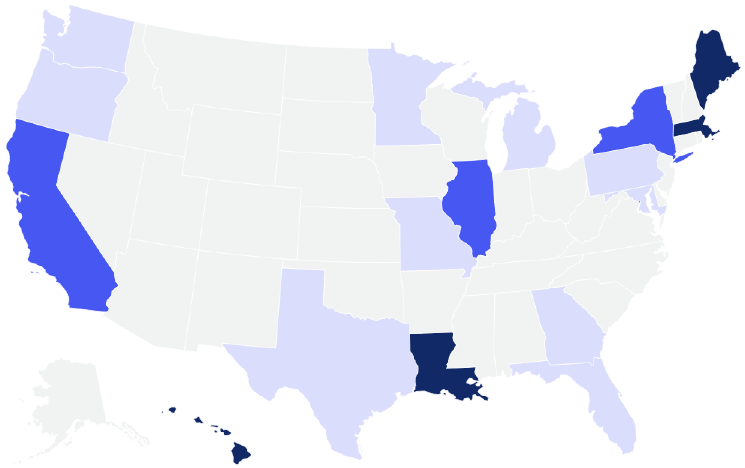
Outside of federal guidelines, some states and jurisdictions have their own unique regulations for adverse action. Creating a more consistent process...

Understanding how recurring background screening works can help you establish best practices and set your organization up for success in the year...