
Keep It Simple: An FTC Guide to Disclosure and Authorization Forms
Disclosures and authorization forms remain two important pieces of your screening program. Learn how can you might remain compliant with the FCRA.
Making screening easy for candidates
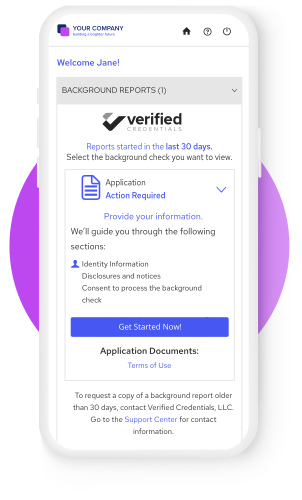
With Verified Credentials' mobile-first candidate experience, you meet candidates where it's most convenient. Learn how easy we make it.
Featured resource
Our new Ban the Box Guide makes it easier than ever to decipher the patchwork of fair chance laws across the country. Check the map to quickly identify what laws apply to you.

Verified Credentials is proud to be accredited by PBSA and an original founding member. Our accreditation confirms that our policies, processes, and team member training meet rigorous industry compliance standards.
1 min read

HR leaders have to stay in front of a lot of regulatory concerns. Maintaining compliance with the Fair Credit Reporting Act (FCRA) with background checks is undoubtedly one of them.
According to the Federal Trade Commission (FTC), the FCRA was enacted in 1970 to regulate the practices of consumer reporting agencies (“CRAs”) that collect and compile consumer reports for use by certain third parties, including employers.
The FCRA has seen amendments since its inception, but the intention remains the same – to keep the use of consumer information fair and allow space for consumer privacy. The Electronic Privacy Information Center states the Act does this through “…rights of data quality (right to access and correct), data security, use limitations, requirements for data destruction, notice, user participation (consent), and accountability.” For employers, the FCRA has created specific requirements that must be maintained.
The requirements imposed on employers that procure background reports are muddled with gray areas. Compounding the confusion is the fact that the FCRA can be supplemented by state and local laws. These laws can be amended, and they are subject to reinterpretation. For example, we’ve written about the unclear direction the Federal Trade Commission gave on what employers shouldn’t include in disclosure documents. Additionally, we have also discussed a Ninth Circuit court decision addressing the same disclosure requirements.
Because of the changing nature of the FCRA, as well as state and local laws and regulations, the best way to stay compliant is to regularly consult your legal counsel. We’ve also compiled a short checklist with a few basic requirements to help you think about obligations under the FCRA.
If you want to learn more about what Verified Credentials’ FCRA-compliant background checks are all about, schedule a consultation today.

Disclosures and authorization forms remain two important pieces of your screening program. Learn how can you might remain compliant with the FCRA.

Learn the top background screening compliance trends we have been following in 2020.

Update your background screening program with tech built for you, industry-specific checks, and advanced tools to enhance efficiency and compliance.