

3 min read

As placement deadlines approach, program coordinators and directors need a clear view of where students stand in the background check process. Who has submitted their information? Which checks are still pending? Who is waiting for a final report before beginning a clinical rotation, internship, or field experience?
Tracking the right student background check and compliance metrics helps answer these questions and provides your team with a practical starting point for follow-up. The goal is to understand where work is getting delayed and what needs to happen next.
These five metrics can help higher education program leaders monitor student progress, evaluate screening workflows, and plan for upcoming cohorts.
1. Screening completion rate
Screening completion rate is the percentage of students who need a background check and have completed it. The number provides a quick progress update to identify students who need closer attention. Some may not have started the registration process, while others may have submitted everything and are waiting for results. Review completion by program, cohort, and placement deadline. Use the underlying status information to send relevant reminders and focus attention on where it can move the process forward.
Boost your metric: Verified Credentials Scholar® can help you keep students on track with automated reminders leading up to their requirement set due date.
2. Time to student submission
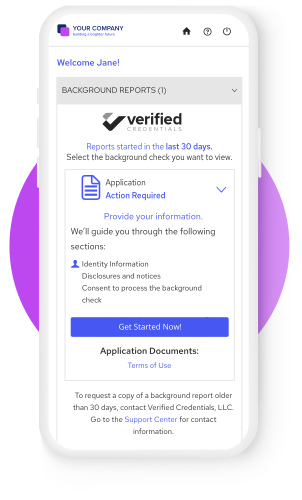
Time to submission measures the time between when students receive their registration instructions and when they complete their screening application. Keeping this separate from processing time helps identify where delays begin.
If students regularly take longer than expected to submit, review the instructions they receive. Are deadlines easy to find? Do students understand what information to have ready? Is it clear where they can get help? Clear instructions and timely reminders give your team a practical way to address that gap.
Boost your metric: Verified Credentials Scholar makes this process clear and easy for students, guiding them step-by-step through the application, document collection, and form submissions.
3. Background check turnaround time
Background check turnaround time measures how long screening takes after the submission is accepted for processing. Look for patterns in the average turnaround times from previous cohorts to determine when students should begin the registration process and build appropriate lead time into your placement calendar. Consistently reviewing this data can help your team remain proactive and limit issues when turnaround times may lag.
Boost your metric: Working with an experienced screening provider like Verified Credentials backs screening with speed. Most of our background checks are complete in less than 24 hours.
4. Review volume and resolution time
Some student compliance documents require additional review. Monitoring how frequently this happens helps program leaders understand whether cases are moving toward resolution or accumulating in a backlog.
Track the percentage of student documents requiring review, including the age of unresolved cases so long-standing issues remain visible. Use these measures to plan staff coverage and clarify responsibility for follow-up. A growing backlog may point to missing documentation, unclear handoffs, or limited reviewer availability.
Boost your metric: Our Document Review services can significantly reduce the time your team spends manually reviewing requirements documentation, thereby reducing your overall review volume.
5. Corrected applications and resubmissions
Corrections, resubmissions, and unplanned repeat orders can add work for students and staff. Tracking how often they occur and why helps reveal opportunities to improve the process.
Group issues by cause, such as incorrect student information, an incorrect screening package, or a mismatch with placement-site requirements. Record the number of affected orders as well as the percentage of total orders, using consistent categories.
Keep scheduled rescreening separate from preventable repeat work. If the same issue appears across multiple cohorts, update the relevant instructions or ordering workflow. For example, repeated package changes may signal a need to confirm site requirements before students receive screening invitations.
Boost your metric: Help students avoid unnecessary corrections by providing clear registration instructions and outlining the information they'll need before beginning the screening and document submission process. The more complete information is going into the process, the more complete and accurate the result.
Make the metrics useful for your program
Start with consistent definitions. Decide what each status means and whether timelines use business or calendar days. Compare similar cohorts at the same point before their deadlines; a cohort two months from placement should not be judged against one starting next week.
Establish your own baseline before setting targets. Program requirements and screening packages can differ, so comparisons need context. Review trends regularly and increase the frequency of progress checks as deadlines approach.
Use screening data to support student readiness
The value of student background check metrics comes from how your team uses them. Completion rates identify unfinished work. Submission and turnaround times show where delays occur. Review metrics reveal pending decisions, while correction data help guide process improvements.
Together, these measures can give program coordinators and directors a clearer view of progress and a more focused approach to helping students prepare for placement.
As you evaluate your screening process, ask your background check provider how its reporting tools, student communications, and status visibility can help your team monitor these metrics and act on outstanding work.
Connect with our team to boost your student placement process with Verified Credentials Scholar.